Mantra Sadhana8 min read•Published: 2026-03-20

Maha Mrityunjaya Mantra: Complete Word-by-Word Meaning, Shiva Purana Origin & Chanting Rules

Unlock the supreme healing and liberation mantra of Lord Shiva. Learn its ancient Rigvedic origin, sage Markandeya's legend, and authentic chanting method.

BhaktiAI Vedic Research Board
Sanatana Dharma Scholars & Practitioners • Updated 2026-10-28
1620 words
Maha Mrityunjaya Mantra: Complete Word-by-Word Meaning, Shiva Purana Origin & Chanting Rules
BhaktiAI Sacred Studies SeriesSanatana Dharma Canonical Research

1. The Divine Verse from the Rigveda

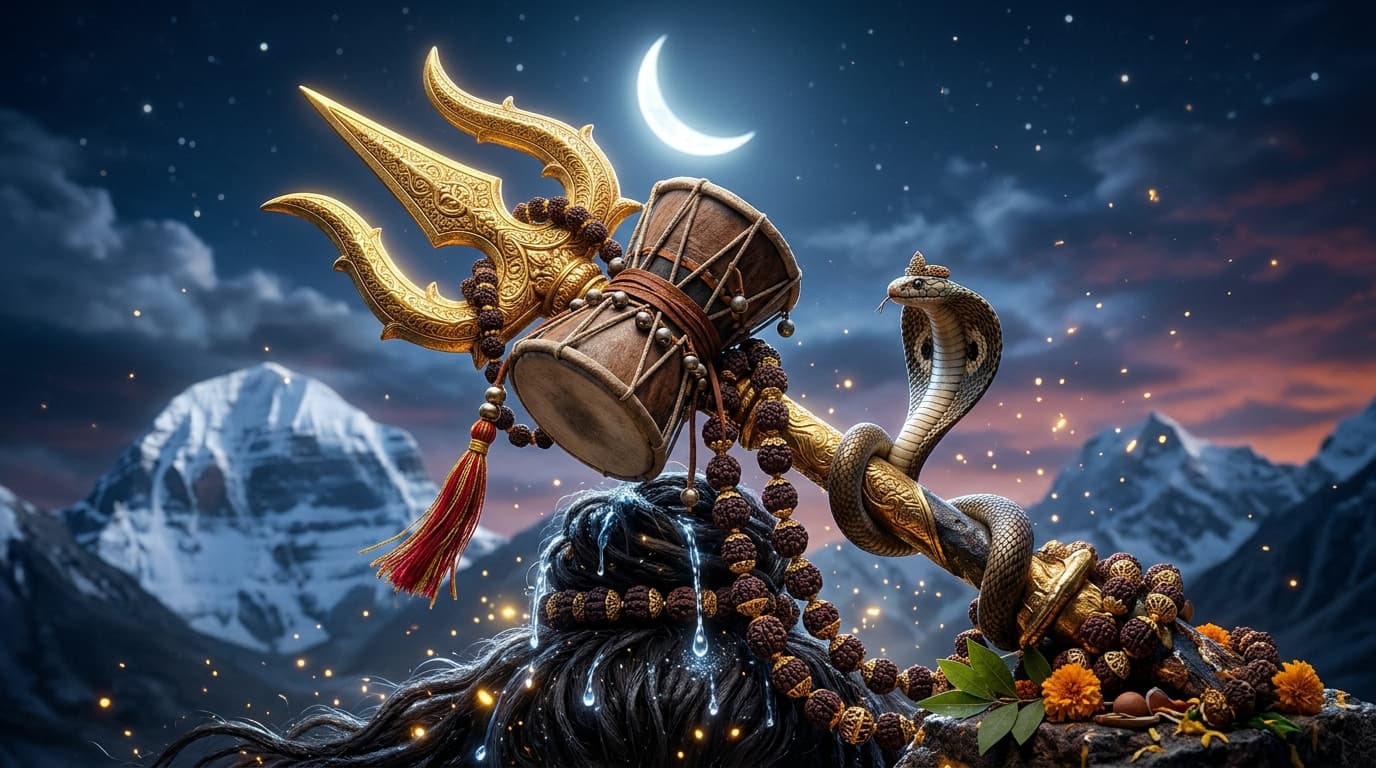
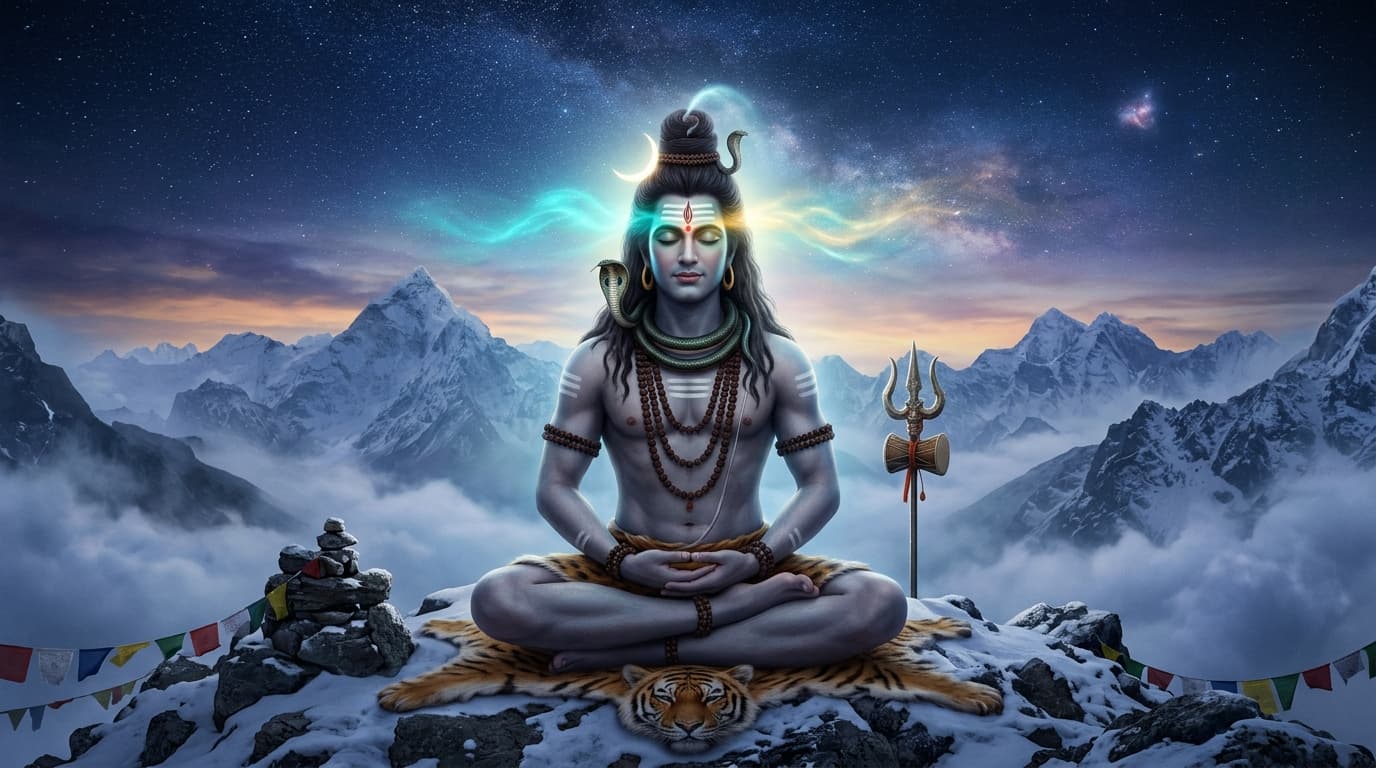
The Maha Mrityunjaya Mantra (महामृत्युंजय मंत्र), also hailed as the Tryambakam Mantra, is one of the oldest and most venerated hymns in the entire Vedic canon. Found in the Rigveda (Mandala 7, Sukta 59, Verse 12) revealed to the revered Maharishi Vashistha, this mantra is dedicated to Rudra, the fierce and compassionate manifestation of Lord Shiva.

According to the Shiva Purana and Skanda Purana, this sacred verse was gifted to the boy sage Markandeya, who was fated to die at the tender age of sixteen. Through unwavering penance and continuous chanting of this mantra, Markandeya attained immortality when Lord Shiva Himself manifested from the Lingam to defeat Yama, the god of death.

Sacred Verse & Shloka
Rigveda 7.59.12 & Shukla Yajurveda 3.60

ॐ त्र्यम्बकं यजामहे सुगन्धिं पुष्टिवर्धनम् । उर्वारुकमिव बन्धनान्मृ त्योर्मुक्षीय मामृतात् ॥

"Om Tryambakam Yajamahe Sugandhim Pushtivardhanam | Urvarukamiva Bandhanan Mrityor Mukshiya Mamritat ||"

Spiritual Meaning: We meditate on the Three-Eyed Lord (Shiva) who is fragrant and nourishes all beings. Just as a ripe cucumber is effortlessly severed from its vine, may He liberate us from death and bondage for the sake of immortality.

2. Comprehensive Word-by-Word Sanskrit Breakdown

To experience the full transformative resonance of the Maha Mrityunjaya Mantra, understanding each Sanskrit root word is essential:

• ॐ (Om): The primordial cosmic vibration, the source of all manifestation.

• त्र्यम्बकम् (Tryambakam): 'The Three-Eyed One'. Lord Shiva possesses three eyes: the Sun (right eye, representing pingala / action), the Moon (left eye, representing ida / feeling), and Fire (the third eye, representing spiritual insight and destruction of ignorance).

• यजामहे (Yajamahe): 'We worship, adore, and honor with deep reverence.'

• सुगन्धिम् (Sugandhim): 'The fragrant one.' Just as a fragrant flower perfumes its surroundings without asking anything in return, the grace of Lord Shiva naturally fills all creation with divine virtue.

• पुष्टि-वर्धनम् (Pushti-Vardhanam): 'The nourisher and fosterer of life.' Pushti refers to physical health, mental fortitude, spiritual illumination, and material sustenance.

• उर्वारुकम् (Urvarukam): 'The cucumber or melon fruit.' In Indian agriculture, a cucumber grows attached to a fragile stalk; when fully ripe, it detaches naturally and effortlessly without tears or violence.

• इव (Iva): 'Just like; in the same manner.'

• बन्धनात् (Bandhanat): 'From the bondage or attachment of the vine.'

• मृत्योः (Mrityoh): 'From death, decay, and psychological mortality.'

• मुक्षीय (Mukshiya): 'May You liberate and release us.'

• मा (Ma): 'Not.'

• अमृतात् (Amritat): 'From immortality (the eternal soul / moksha).' We pray: liberate us from death, but never separate us from immortality.
3. The Profound Metaphor of the Ripe Cucumber

The central metaphor of the cucumber (उर्वारुक) is considered one of the most brilliant psychological teachings in Vedic philosophy.

An unripe fruit clings stubbornly to the vine; if forced off prematurely, both the stem and the fruit are damaged, tasting bitter. However, when the fruit ripens naturally through sunshine and soil, it detaches at the gentlest touch, sweet and nourishing.

Similarly, a devotee does not seek violent escapism or suicide. Rather, through spiritual practice and divine contemplation, one's consciousness naturally ripens — outgrowing attachment to ego, fear of illness, and dread of physical death. Liberation occurs not as destruction, but as natural fruition into divine bliss.

4. Health, Psychological, and Spiritual Benefits

Classical Ayurvedic treatises describe the Maha Mrityunjaya Mantra as the supreme 'Sanjivani' or life-restoring mantra. Modern scientific investigations into Vedic sound resonance show notable psychological effects:

1. Nervous System Regulation: The rhythmic repetition of the resonant retroflex consonants (म्ब, र्ध, र्वा) stimulates the vagus nerve, calming the sympathetic 'fight-or-flight' stress response.

2. Dissolving Phobias and Anxiety: The mantra specifically addresses deep-seated human dread of disease, loneliness, and mortality, replacing terror with peaceful surrender to Shiva's protective presence.

3. Focus and Mental Fortitude: Daily chanting of 108 cycles enhances concentration, memory retention, and emotional balance during times of crisis.

Key Spiritual Insights
  • Pacifies mental turbulence and chronic panic
  • Enhances biological resilience and restorative sleep
  • Cultivates fearlessness in facing life transitions
  • Generates protective vibrational shield (Kavacha)

5. How to Chant the Maha Mrityunjaya Mantra Correctly

To derive the highest spiritual merit from your japa:

• Time: The Brahma Muhurta (4:00 AM – 6:00 AM) or sunset (Sandhya) is ideal, though it can be chanted at any time during physical illness or distress.

• Posture: Sit facing East or North on an asana (mat). Keep the spine erect and relaxed.

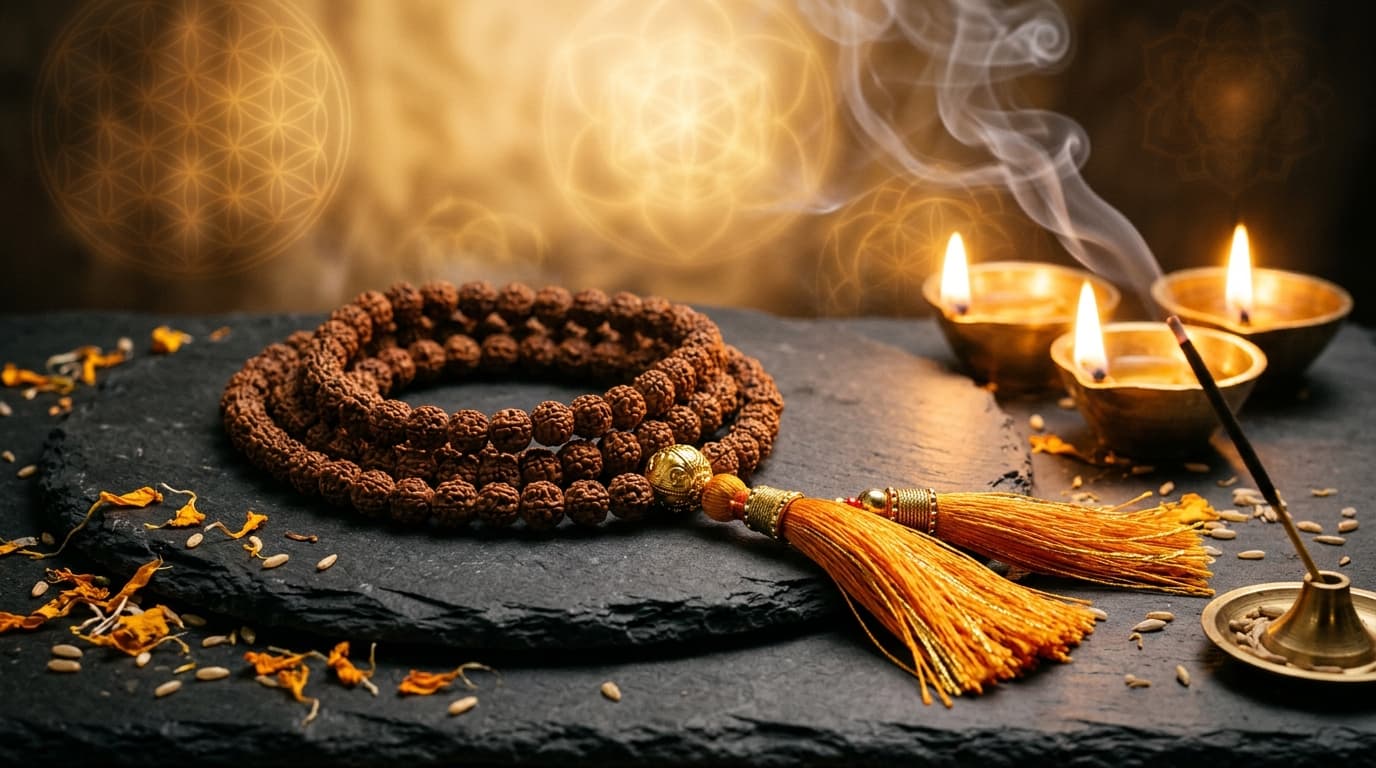
• Rosary: A genuine 108-bead Rudraksha mala is traditional for Lord Shiva japa.

• Pronunciation: Articulate each syllable clearly. Do not rush; maintain a steady, melodious cadence.

• Sankalpa: Before commencing, dedicate the japa for inner healing, universal welfare, or a loved one's recovery.

Daily Sacred Darshan

Experience High-Resolution 4K Wallpapers

Immerse your daily life in sacred geometry and divine presence with verified 4K mobile wallpapers.

Explore Darshan Gallery
Devotional Questions & Answers

Frequently Asked Questions

Q:Can anyone chant the Maha Mrityunjaya Mantra, or are there caste/gender restrictions?

Anyone can chant this mantra with sincere devotion. In the Shiva Purana, Lord Shiva explicitly states that His holy name and Tryambakam mantra are open to all human beings seeking refuge and spiritual healing.

Q:Should I chant it aloud or mentally?

Beginners benefit from Vaikhari (audible chanting) to perfect pronunciation. Once comfortable, Upamshu (whispering) or Manasika (silent mental chanting) is considered ten to a hundred times more powerful in yogic practice.

Q:What is the difference between Gayatri Mantra and Maha Mrityunjaya Mantra?

The Gayatri Mantra is primarily for spiritual illumination, wisdom, and intellect (Buddhi), addressing Savitr (the Solar Divine). The Maha Mrityunjaya Mantra is specifically for physical/emotional healing, overcoming fear, and liberation from mortality, addressing Rudra/Shiva.

BhaktiAI Vedic Research Board

Sanatana Dharma Scholars & Practitioners

Composed of Sanskrit linguists and devotional practitioners dedicated to preserving classical Vedic knowledge and sacred iconography.

Deepen Your Sadhana

Related Canonical Studies