Daily Devotion6 min read•Published: 2026-04-10

The Spiritual Science of Daily Darshan: How Sacred Deity Art Influences Mind & Home

In the digital age, your phone screen is unlocked over 96 times a day. Learn how transforming digital screens into sacred windows cultivates peace.

BhaktiAI Vedic Research Board
Sanatana Dharma Scholars & Practitioners • Updated 2026-10-28
1390 words
The Spiritual Science of Daily Darshan: How Sacred Deity Art Influences Mind & Home
BhaktiAI Sacred Studies SeriesSanatana Dharma Canonical Research

1. What is 'Darshan'? More Than Mere Looking

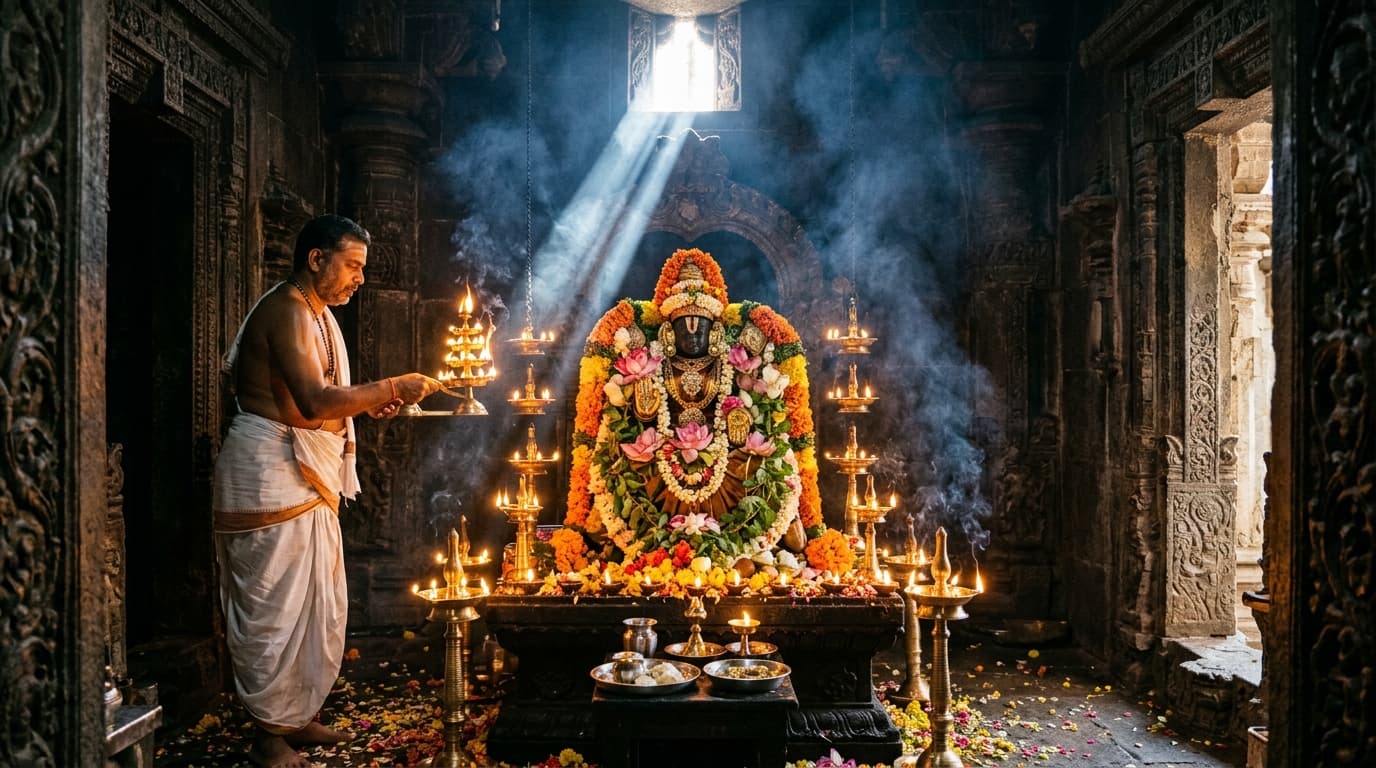
In Western visual culture, viewing an image is a one-way, passive act of consumption. In Sanatana Dharma, however, Darshan (दर्शन — derived from the Sanskrit root 'dṛś', meaning 'to see and be seen') is an active, reciprocal spiritual communion.

When you look upon a consecrated deity or sacred devotional artwork with reverent bhava (feeling), tradition teaches that the Divine gazes back into your soul. The visual impression (Rupa) bypasses verbal intellect and plants a sattvic seed directly into the Chitta (subconscious mind).

Sacred Verse & Shloka
Shiva Dhyana Shloka

ध्यायेन्नित्यं महेशं रजतगिरिनिभं चारुचंद्रावतंसं । रत्नाकल्पोज्ज्वलांगं परशुमृगवराभीतिहस्तं प्रसन्नम् ॥

"Dhyayen Nityam Mahesham Rajatagiri Nibham Charuchandravatamsam | Ratnakalpojvalangam Parashu Mriga Varabhiti Hastam Prasannam ||"

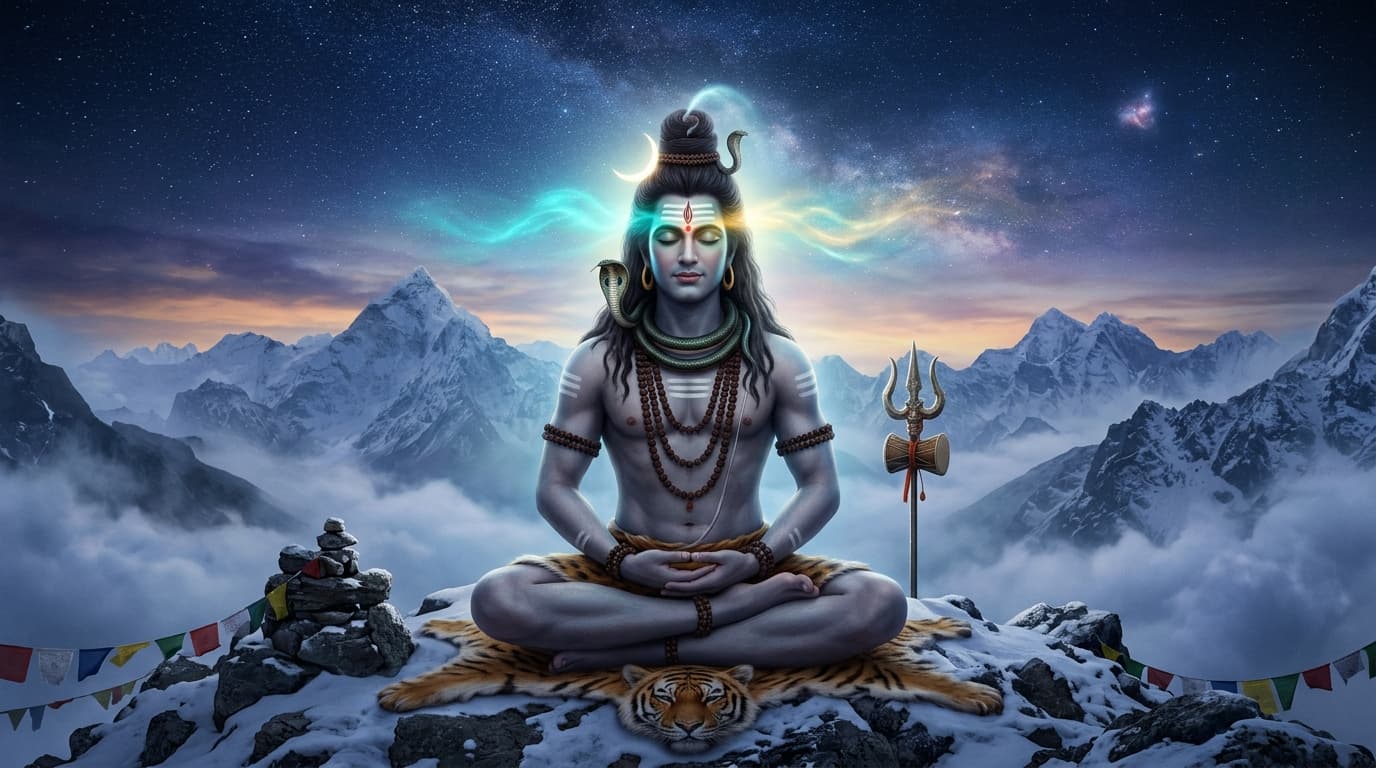
Spiritual Meaning: One should meditate constantly on the Great Lord Shiva, shining like a silver mountain, adorned with the lovely crescent moon, radiant with jewels, His hands holding the axe, deer, and gestures of blessing and protection, ever peaceful.

2. The Smartphone Screen: The 21st-Century Altar

Research shows the average smartphone user unlocks their device between 80 and 120 times every day. That equates to nearly 3,000 visual impressions every month.

In most cases, these unlocks trigger cortisol: notifications of unread emails, breaking news of global crises, social media feeds engineered to generate envy, and urgent task lists.

By placing a pristine 4K sacred wallpaper of Mahadev, Shri Krishna, Hanuman, or Maa Durga on your lock screen, the very first micro-second of every interaction with technology begins with a soothing pause of divine darshan. An involuntary cortisol spike is instantly transformed into a moment of spiritual grounding and breath.
Key Spiritual Insights
  • 96+ unlocks per day = 96 micro-moments of divine remembrance
  • Replaces notification anxiety with aesthetic serenity
  • Anchors sattvic consciousness throughout digital routines

3. Why Iconographic Accuracy Matters in Devotional Art

Not all imagery is spiritually beneficial. Classical temple sculptors followed strict Shilpa Shastras — ancient treatises governing divine proportions (Talamana), auspicious mudras (hand gestures), and color harmonies.

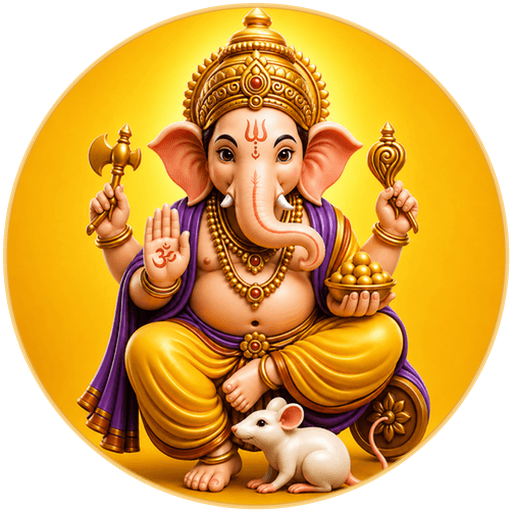
At BhaktiAI, every wallpaper is verified for iconographic integrity: Lord Shiva's Abhaya Mudra (gesture of fearlessness), Shri Krishna's peaceful peacock feather and flute, Ganesha's gentle blessing posture, and Maa Lakshmi's shower of gold coins.

These proportions are engineered to evoke calm contemplation (Shanta Rasa) and devotion (Bhakti Rasa), rather than aggressive stimulation.

Devotional Questions & Answers

Frequently Asked Questions

Q:Is it disrespectful to keep a Hindu god wallpaper on my smartphone lock screen?

No. When kept with sincere devotion, having a sacred wallpaper is an act of Smarana (continual remembrance). Just ensure that the device is handled respectfully and not set down in unclean locations.

Q:Why are 4K resolutions and AMOLED blacks recommended for deity wallpapers?

Deep AMOLED blacks eliminate background glare and reduce display power consumption, while high 4K resolution renders the fine sacred ornaments, eyes, and mudras with crystal clarity.

BhaktiAI Vedic Research Board

Sanatana Dharma Scholars & Practitioners

Composed of Sanskrit linguists and devotional practitioners dedicated to preserving classical Vedic knowledge and sacred iconography.

Deepen Your Sadhana

Related Canonical Studies